Searches for “why am I tired all the time,” “low testosterone symptoms,” and “how to lose belly fat after 40” are rising quickly, and for good reason. Many men in their 40s and 50s are feeling the effects of hormonal changes, weight gain, and energy loss, yet they...
May is Mental Health Awareness Month. It highlights the importance of mental well-being and helps reduce the stigma around mental illness. Mental health conditions can affect anyone. Age, sex, ethnicity, and culture do not protect someone from these struggles. In...
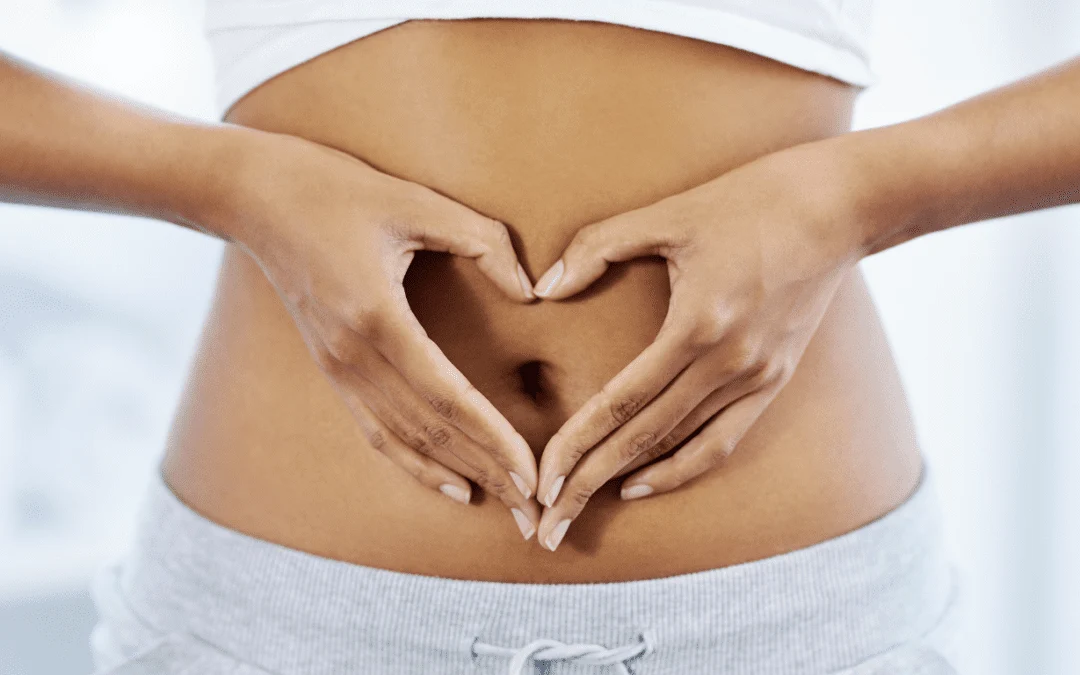
If you’re a woman in your mid-40s to mid-50s and feeling “off”—whether it’s digestive discomfort, brain fog, fatigue, mood swings, or stubborn weight gain—you’re not alone. These changes are common during perimenopause and early menopause, and often the root...
According to the American Cancer Society, 1 in 3 people in the United States will be diagnosed with cancer in their lifetime. In 2022, the CDC reported cancer as the second leading cause of death. This shows the need for a more complete approach. Cancer rates are...
More than 80% of Americans use dietary supplements. This includes vitamins, minerals, probiotics, herbs, mushrooms, and amino acids. Many people use supplements to support daily health and wellness. However, not all supplements are the same. Some products are safe and...