Most people don’t wake up thinking about metabolic syndrome. But here’s the reality: one in three adults has it, and it may already be affecting you—even if you’ve never heard the term before. It’s not just about blood pressure or cholesterol. It’s about: Why you’re...
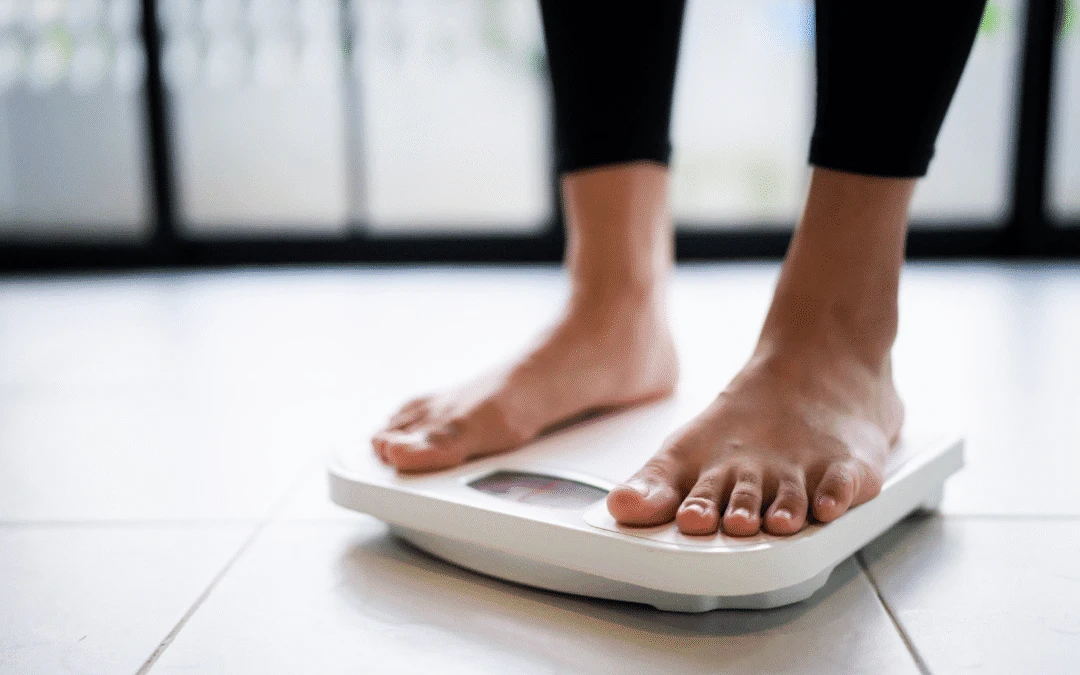
If you’re in Bradenton or the greater Tampa Bay area and wondering why you’re not losing weight, even though you’re doing all the right things, this blog is for you. Perimenopause weight gain and resistance to weight loss are common, but often tied to...
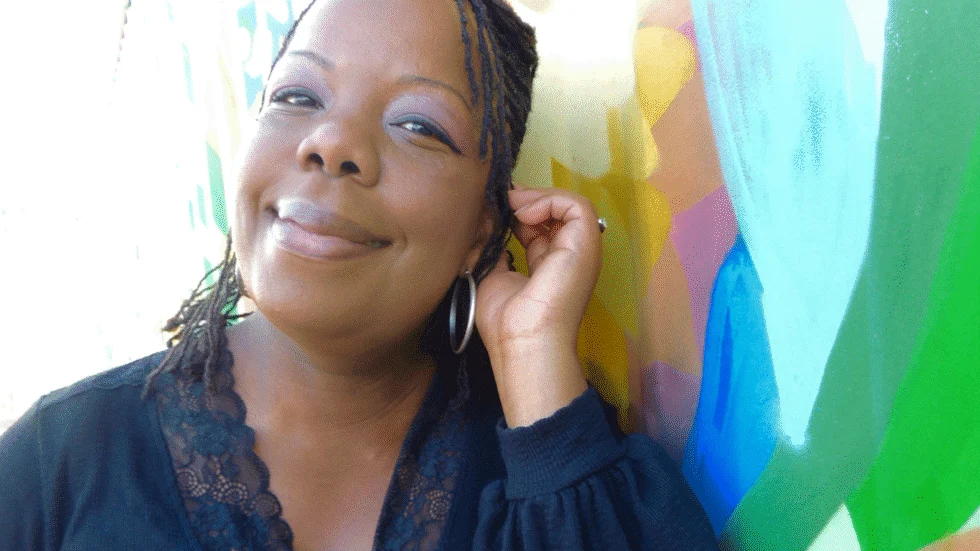
Hi, I’m Dr. Stasha-Gae Roberts, nurse practitioner and owner of Compassion Primary Care. I’m also a 46-year-old woman who is closer to menopause than not. My own journey through hormone changes and perimenopause has been humbling, and I want to share my story to let...
Why Supplements Matter for Women in Midlife As we move through the heart of summer, it’s the perfect time to pause and check in on your health. For many women in their 40s and 50s, this stage of life often brings new challenges, fatigue, brain fog, weight gain,...
Are you struggling with irregular periods, stubborn weight gain, adult acne, or unexpected hair loss? Have you been told everything is “normal,” even though you know something feels off? You’re not alone. Polycystic ovarian syndrome (PCOS) affects 1 in 10 women, yet...