
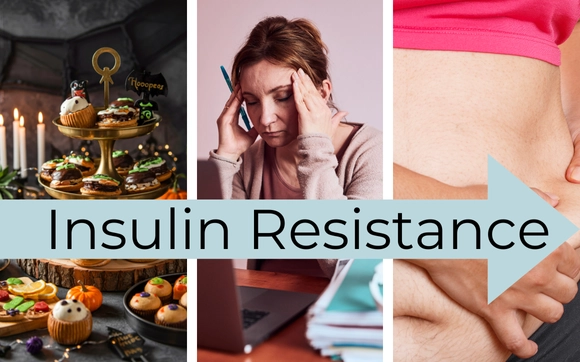
The Metabolic Disruptor Driving Weight Gain, Fatigue, Hormone Issues
Now that the holidays are over and routines are returning, many people notice lingering changes. These may include fatigue, stubborn weight gain, higher blood pressure readings, or a general feeling of being out of balance.
It is easy to blame these changes on holiday meals or missed workouts. But they often point to something deeper: insulin resistance.
From an integrative perspective, insulin resistance affects more than blood sugar. It also influences hormone balance, appetite signals, blood vessel function, inflammation, and long-term heart and brain health.
The weeks after the holidays are often when insulin resistance becomes easier to notice. When routines return, the body may struggle to reset.
What Is Insulin Resistance?
Insulin is a hormone made by the pancreas. It helps glucose, or sugar, move from the bloodstream into the body’s cells for energy.
Insulin also supports several key metabolic functions. It helps by:
-
signaling the liver to stop releasing extra glucose
-
supporting healthy blood vessel function
-
helping regulate fat storage and appetite hormones
Insulin resistance develops when cells no longer respond well to insulin. This usually affects muscle, liver, and fat tissue.
To compensate, the body produces more insulin to keep blood sugar within a normal range.
This process can develop slowly over many years. It often begins long before prediabetes or type 2 diabetes is diagnosed. During this time, many people feel unwell even though routine lab results appear normal.
Why Insulin Resistance Often Appears After the Holidays
The holiday season can increase metabolic stress in several ways:
-
disrupted sleep schedules
-
higher stress and increased cortisol levels
-
changes in meal timing and food choices
-
reduced physical activity
-
less strength-based movement that protects muscle
When routines return in January, insulin resistance may become easier to notice.
Common signs include:
-
persistent weight gain
-
stronger food cravings
-
ongoing low energy
-
blood pressure that stays elevated
These symptoms may not improve with a short reset.
Who Is Most Affected by Insulin Resistance?
Insulin resistance can affect anyone. However, risk increases with:
-
chronic stress
-
poor sleep patterns
-
sedentary lifestyle
-
loss of muscle mass
-
visceral, or abdominal, fat accumulation
-
hormonal changes during perimenopause and menopause
Many midlife women notice abdominal weight gain, rising blood pressure, brain fog, and low energy. These symptoms may continue even after healthier routines return.
Why Insulin Resistance Feels Hard to Reverse: The Hormonal Connection
Cortisol: Stress, Blood Sugar, and Blood Pressure
Cortisol is a stress hormone released by the adrenal glands. It helps the body respond to stress by raising blood sugar and tightening blood vessels.
Chronic stress can keep cortisol levels elevated. This often happens during and after the holidays.
Over time this may lead to:
-
increased glucose release from the liver
-
worsening insulin resistance
-
narrowing of blood vessels
-
higher blood pressure
Many patients say they return to their routine but still do not see improvement in weight or blood pressure.
Leptin: Disrupted Satiety Signals
Leptin is a hormone made by fat cells. It signals fullness to the brain and helps regulate appetite.
With insulin resistance, leptin resistance may develop. When this happens:
-
hunger continues even after eating
-
cravings increase
-
metabolic rate may slow
This helps explain why strict calorie restriction after the holidays often backfires.
Adiponectin: Declining Metabolic Protection
Adiponectin is a hormone that improves insulin sensitivity and helps reduce inflammation.
Healthy adiponectin levels support fat metabolism, blood vessel health, and cardiometabolic balance.
As abdominal fat increases and insulin resistance progresses, adiponectin levels decline. This removes an important layer of metabolic protection.
Insulin Resistance and High Blood Pressure: The Vascular Link
Insulin resistance affects more than metabolism. It also affects blood vessel health and blood pressure control.
In healthy conditions, insulin stimulates nitric oxide production inside the endothelium. The endothelium is the inner lining of blood vessels.
Nitric oxide helps blood vessels relax. This supports normal circulation and healthy blood pressure.
With insulin resistance:
-
nitric oxide signaling weakens
-
blood vessels lose flexibility
-
arteries slowly stiffen
-
vascular resistance increases
Over time, this stiffness can raise blood pressure. This often occurs years before hypertension is diagnosed.
Additional Causes of Higher Blood Pressure
Insulin resistance may also raise blood pressure by:
-
activating the sympathetic nervous system, also called the fight-or-flight response
-
increasing sodium retention in the kidneys
-
promoting chronic inflammation and oxidative stress
This is why high blood pressure often appears with insulin resistance, abdominal obesity, and metabolic syndrome.
What Is Happening Inside the Body?
Insulin resistance reflects a breakdown in metabolic communication.
Inside the body:
-
insulin levels rise while cells respond less effectively
-
cortisol continues raising glucose and vascular tension
-
leptin signals are not clearly received by the brain
-
adiponectin levels decline
-
blood vessels lose their ability to relax
Over time these changes may lead to:
-
increased abdominal fat storage
-
rising blood pressure
-
chronic inflammation
-
hormonal imbalance
-
progressive cardiometabolic dysfunction
Why Midlife Women Are Especially Vulnerable
During perimenopause and menopause several protective systems change:
-
estrogen’s protective effect on blood vessels declines
-
arterial stiffness increases
-
sleep disruption worsens cortisol balance
-
insulin resistance becomes more common
This combination explains why weight gain and rising blood pressure often appear together after the holidays.
The Integrative Takeaway
Insulin resistance is not a personal failure. It is not simply the result of holiday eating.
Instead, it reflects changes in the body’s metabolic and vascular signals. These signals are influenced by stress, sleep, nutrition, movement, inflammation, and hormone balance.
January can be a helpful time to address insulin resistance with awareness instead of extremes.
When insulin sensitivity improves, the body often responds with better blood sugar balance, healthier blood pressure, and stronger long-term protection for the heart and brain.
January Reset: What to Focus On Without Extremes
January is not about strict restriction. It is about restoring metabolic balance.
Focus on these foundations:
-
eat consistent meals to stabilize insulin and cortisol
-
include protein at each meal
-
reduce processed foods
-
limit simple carbohydrates
-
move daily, especially with strength training
-
prioritize sleep for hormone balance
-
manage stress to support vascular health
-
maintain hydration and mineral balance
These habits help create an environment where insulin sensitivity can improve.
Compassion Primary Care Call to Action
If the holidays are over but weight gain, fatigue, or high blood pressure continue, it may be time to look beyond standard laboratory testing.
At Compassion Primary Care, Dr. Stasha-Gae Roberts evaluates insulin resistance using a personalized and integrative approach. This helps patients move forward with clarity and confidence.
Nursing your journey to lasting wellness. 🌳
